Opioid agonist therapy (OAT) in downtown Toronto
Opioid agonist therapy (OAT) is a medical treatment for opioid use disorder. A physician prescribes a long-acting medication and monitors it with you over time. This page explains how OAT works, what to expect, what it costs and how to book.
What opioid agonist therapy is
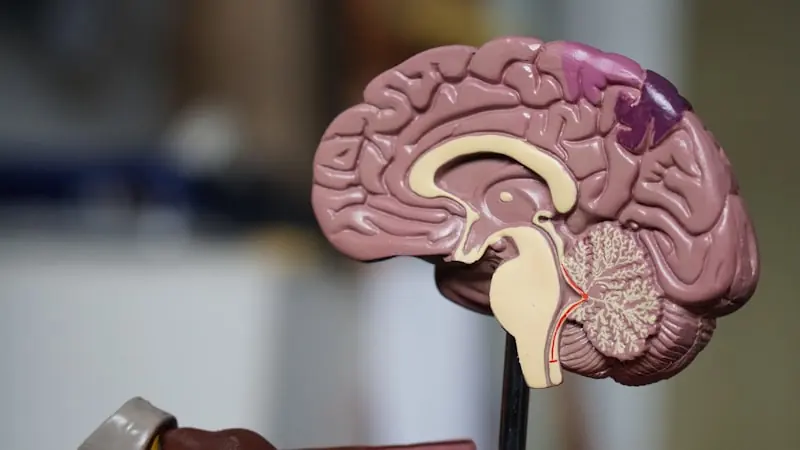
Opioid agonist therapy, often shortened to OAT, is a treatment for opioid use disorder. Long-term opioid use changes how the brain responds to stress and pain, and stopping suddenly usually brings strong cravings and withdrawal. OAT uses a long-acting medication, prescribed and monitored by a physician, that prevents withdrawal and reduces cravings. Because it works in a slow, steady way, it does not cause the highs and lows of short-acting opioids. That gives your body and mind room to settle.
OAT is not a short course you take once and stop. Opioid use disorder is a long-term health condition, much like diabetes or high blood pressure, and many people stay on treatment for months or years. Your dose is adjusted over time, and you meet regularly with your physician to review how things are going. There is no fixed end date. You and your doctor decide together when, or if, slowly lowering the dose makes sense.
How OAT works
OAT medication acts on the same receptors in the brain as other opioids, but slowly and steadily. Taken as prescribed, it:
- Prevents withdrawal symptoms
- Reduces cravings
- Keeps a steady level in your body, without highs and lows
- Gives you room to focus on your health, work and family
There is more than one OAT medication. Most are taken by mouth once a day. Some are given as an injection by a health professional, so they are needed less often. Doctors usually start with first-line options, and second-line options are available if first-line treatment has not worked. Your physician explains the options that fit your health and your life, and you decide together.
What treatment looks like
1. Assessment
Your physician reviews your history and your health, and you choose a treatment plan together.
2. Starting
You begin with a low dose. Your doctor tells you exactly how to start safely.
3. Adjusting the dose
Early visits are more frequent, often weekly, while the dose is adjusted until withdrawal and cravings settle.
4. Ongoing care
Once you are stable, visits usually become less frequent and take-home doses may become possible.
How OAT is different from detox
Detox means clearing opioids from your body over several days, sometimes with medication to ease withdrawal. On its own, detox treats the withdrawal, not the opioid use disorder underneath it. When detox ends, cravings often come back. Tolerance also drops quickly, so the risk of overdose is especially high in the days and weeks after detox.
OAT takes a different approach. Instead of clearing opioids out and hoping cravings do not return, it keeps a steady level of medication in your body so cravings and withdrawal stay manageable over the long term. Research links OAT with a lower risk of fatal overdose and with people staying in treatment longer, compared with detox alone or no medication. It is used across Ontario in hospitals, community clinics and family practices.
OAT is not the only part of recovery. Many people also find counselling, peer support or care for other health conditions helpful alongside it.
Who OAT is for
OAT is for adults living with opioid use disorder. That includes people who:
- Use opioids from the unregulated street supply
- Started with prescription opioids and became dependent on them
- Have tried to stop before, including with detox
- Are already on OAT at another clinic and want to move their care
You do not have to stop using before your first visit, and you do not need to have everything figured out. We follow a harm reduction approach, which means you will not be asked to leave the program if you continue to use. The goal is to meet you where you are.
Your first visit
Your first visit is a conversation, not a lecture. The physician asks about your opioid use, past treatment, other medications, and your physical and mental health. They explain the treatment options in plain language and answer your questions, including worries about withdrawal, side effects or what other people might think. There is no pressure to commit to anything before you have had a chance to ask questions.
What to bring
- Your Ontario health card (OHIP), if you have one
- Photo ID
- A list of the medications you take, including over-the-counter products and supplements
- Records from past addiction treatment, if you have them (not required)
- The name of the pharmacy you would like to use, if you have one
All appointments are booked in advance; we do not offer walk-in visits. If you do not have OHIP yet, tell our team when you book. See how booking works.
Starting treatment safely
Before your first dose: some options require you to be in mild withdrawal before the first dose; others do not. Your doctor explains how to start safely, including how long to wait after you last used other opioids.
The first weeks are when your dose is being set, so they are when your care team watches most closely. Doses start low and go up slowly, based on how you feel. This careful pace is a safety step, not a sign that anything has gone wrong.
Early follow-up visits are usually more frequent, often weekly, so your physician can adjust your dose and check how you are feeling. As your dose settles and things are going well, visits usually become less frequent.
Tell your doctor or pharmacist right away if you feel very drowsy, confused or unsteady, especially in the first weeks of treatment.
Daily witnessed doses and take-home doses
At first, most people take their dose each day at a pharmacy, where a pharmacist watches them take it. These are called daily witnessed doses. They keep the start of treatment safe and give you regular contact with a pharmacist while your dose is being adjusted. For most people, this daily visit is temporary.
As you become stable, your doctor may allow take-home doses, also called carries. Carries are added gradually, and they can be reduced again if things become less stable. How soon they are possible depends on the medication and on you, and no schedule is fixed in advance.
Keep take-home doses locked up and out of reach of children and pets. Even one dose can be dangerous for someone it was not prescribed for.
What your doctor looks at
How long you have been steady on your current dose
Whether you are coming to your visits and your pharmacy doses
Your recent results, as one part of the picture
Whether you can keep doses locked up safely at home
Check-ins and urine drug screening
Regular follow-up visits let your physician check how your dose is working, watch for side effects and adjust your plan. You can raise anything that comes up between visits, including cravings, side effects, or life stress that makes treatment harder.
Urine drug screening is used from time to time as part of monitoring, as it is in other OAT programs. It helps your doctor make safe decisions about your dose and your take-home doses. If you want to change your plan, adjust your dose or, one day, slowly come off treatment, that conversation happens with your physician, at your pace.
If the first option does not work
Finding the right fit can take more than one try, and that is common. Doctors usually start with first-line options, which have the most research behind them. If first-line treatment has not worked for you, for example if withdrawal or cravings did not settle or the side effects were hard to live with, there are second-line options. Your doctor can explain what they involve. A second-line option may come with closer monitoring.
Needing a different option does not mean you did anything wrong. Everyone's body and history with opioids are different. To see the factors you and your doctor weigh together, read Choosing an opioid treatment plan with your doctor.
Your prescription and your pharmacy
After your visit, your physician sends your prescription electronically to the pharmacy you choose. There is no paper prescription to carry.
You can choose a pharmacy close to home or work. When you book, let our team know which pharmacy you would like to use. Not every pharmacy provides OAT, so it is worth checking with your pharmacy first.
Your medication comes from your pharmacy, not from the clinic. The clinic's part is your medical care: your assessment, your prescription and your follow-up visits.
What OAT costs
Physician visits for OAT are covered by OHIP, so there is no charge to see the doctor if you have a valid Ontario health card. If your coverage has lapsed or you do not have OHIP yet, tell our team when you book.
Medication is billed by the pharmacy, not the clinic. What you pay, if anything, depends on your drug coverage. Coverage may come from:
- The Ontario Drug Benefit (ODB) program, for example if you are 65 or older or receive social assistance
- OHIP+, for eligible people 24 and under who do not have a private plan
- A private plan through work or a family member
- The Trillium Drug Program, for households with high drug costs compared with their income
- Non-Insured Health Benefits (NIHB), for First Nations and Inuit patients
Your pharmacist can tell you what your plan covers. For more detail, read Is addiction treatment covered by OHIP in Ontario?
Staying safe on OAT
Never mix OAT medication with alcohol, benzodiazepines or other sedatives. Together they can slow your breathing to a dangerous level.
- Tell your doctor and pharmacist about every medication you take, including over-the-counter products and supplements.
- If you miss several doses in a row, speak with your pharmacist or doctor before your next dose. Your tolerance can drop quickly, and your dose may need to be lowered for safety.
- Carry a naloxone kit and show the people around you where it is. Naloxone can reverse an opioid overdose for a short time, so always call 911 as well. Kits are free at many Ontario pharmacies.
- The unregulated street supply is unpredictable and can be much stronger than expected. If you do use, try not to use alone.
Already on OAT at another clinic?
Moving your care does not mean starting over. At an assessment visit, a physician reviews your treatment history, your current dose and any take-home doses, then confirms your plan with you. Bringing a summary from your current clinic helps.
Until your first visit with us, keep going with your current clinic and pharmacy so you do not miss doses. Read how transferring your treatment works.
Ready to talk about OAT?
Call 647-748-1337 or email info@addictionclinictoronto.ca to book an appointment at 55 Dundas St E, Toronto. Phones are answered 9:00 a.m. to 5:00 p.m., seven days a week.
Need to talk to someone now? ConnexOntario is free, confidential and available 24/7 at 1-866-531-2600. If someone is in immediate danger or may be overdosing, call 911. Ontario's Good Samaritan Drug Overdose Act gives legal protection to people who call for help.